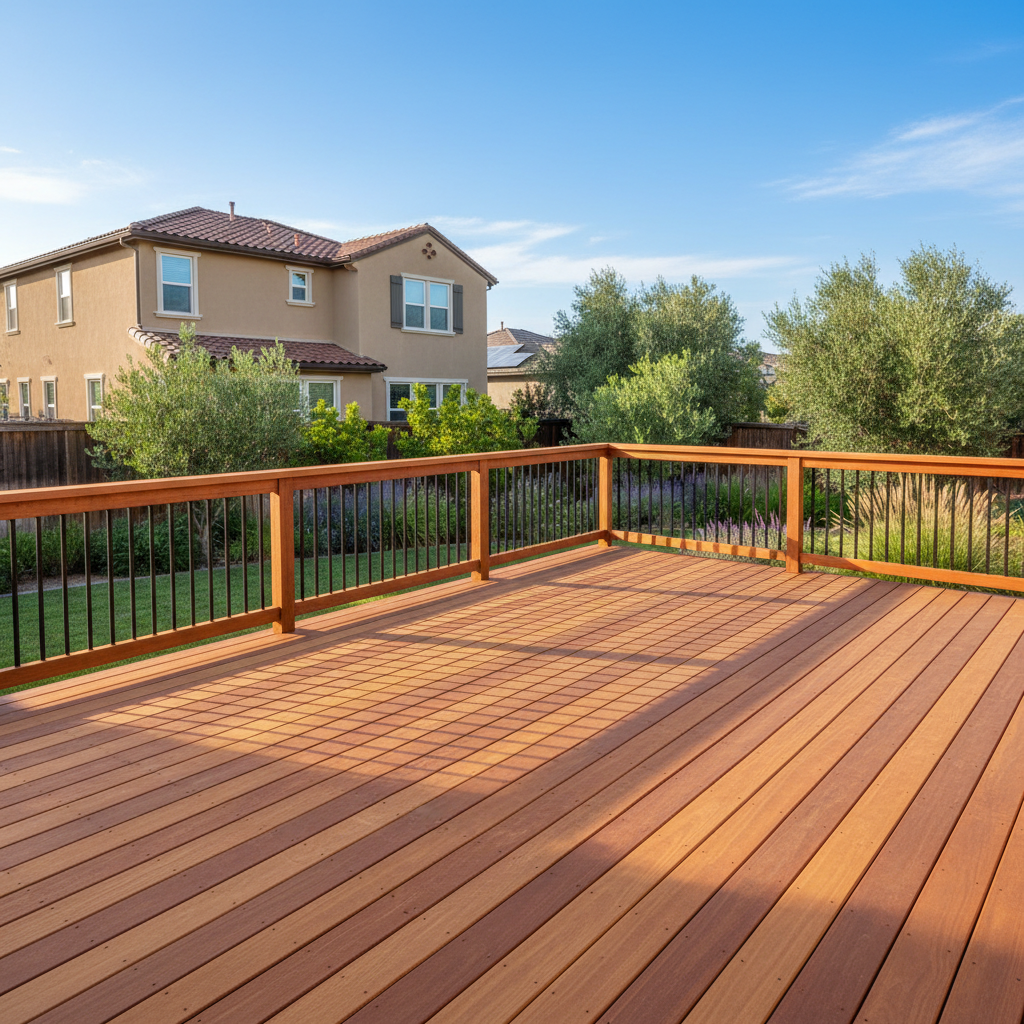
Your wooden deck is an investment, right? You want it to look good for years and, more importantly, stay safe for your family. Here in Clovis, our climate throws some pretty specific challenges at wood. Those scorching summers, the sudden temperature drops, and our short but intense rainy season can really take a toll if you're not on top of things. I've seen it all in my years with Clovis Deck & Porch, and I can tell you, a little proactive maintenance goes a long way. Believe me.
Extending Your Deck's Life: It's All About Protection
Think of your deck like your skin in the sun. You wouldn't go out without sunscreen, would you? Wood needs protection too, especially here where we get so many clear, sunny days. The biggest enemy is UV radiation from the sun. It breaks down wood fibers, causes fading, and makes the wood brittle. Water is the other big one – not just rain, but sprinklers hitting the deck, or even condensation. When wood constantly gets wet and then dries out, it expands and contracts. That leads to cracks, warping, and fastener pops.
So, what's the fix? A good quality stain or sealant. And I mean good quality. Don't cheap out here. You want something that offers UV protection and repels water. I usually recommend oil-based stains for their penetration and durability, especially for our climate. They really soak into the wood and protect it from the inside out. You'll want to reapply this every 2-3 years, depending on the product and how much sun your deck gets. If your deck faces west and bakes all afternoon, you might be on the shorter end of that cycle.
Regular Maintenance: Simple Steps, Big Impact
This isn't rocket science, but it does take consistency. Here's what you should be doing:
- Keep it Clean: Sweep your deck regularly to remove leaves, dirt, and debris. This stuff traps moisture and can lead to mildew growth. Once or twice a year, give it a good wash with a deck cleaner – something specifically designed for wood. Don't use a pressure washer on full blast; you can actually damage the wood fibers. A gentle setting, or even just a scrub brush and hose, is usually enough.
- Check for Fasteners: Walk around and look at your screws and nails. Are any popping up? Drive them back down or replace them. Loose fasteners can be a tripping hazard and also indicate that the wood is moving more than it should.
- Trim Landscaping: Make sure trees and shrubs aren't growing directly onto or over your deck. They drop leaves, create shade that encourages mildew, and hold moisture against the wood. Good airflow around and under your deck is crucial.
- Watch for Water: If you have potted plants, put them on risers so water doesn't sit directly on the deck surface. Also, make sure your gutters aren't dumping water right onto the deck.
Warning Signs: Don't Ignore These
Your deck will tell you when it needs help. You just have to listen. Look out for:
- Graying Wood: This is a classic sign that your stain's UV protection is failing. The sun's breaking down the wood.
- Fuzzy Surface: If the wood feels rough or splintery, it means the top layers are degrading.
- Water Soaking In: Pour a little water on the deck. If it beads up, your sealant is still working. If it soaks right in and darkens the wood, it's time to reseal.
- Cracks and Splits: Small hairline cracks are normal as wood ages, but deep, long cracks or significant splitting indicate serious drying out or structural stress.
- Soft Spots or Rot: Press on the wood with a screwdriver. If it feels spongy or the screwdriver sinks in easily, you've got rot. This is a big one.
- Loose Railings or Posts: Grab your railing and give it a good shake. Any wobble? That's a safety issue and needs immediate attention.
When to Call a Professional
Most of the regular cleaning and re-staining, you can probably handle yourself if you're handy. But there are definitely times when you should pick up the phone and call someone like me. If you see significant rot, especially in support posts, joists, or ledger boards, that's a structural issue. Don't mess with that. If your railings are loose or damaged, or if you notice any significant sagging in the deck, those are also big red flags. We've got the tools and the experience to assess the damage properly, replace compromised sections safely, and make sure your deck is up to code and safe for your family. Sometimes, what looks like a small problem can be a symptom of a bigger underlying issue, especially with how our clay soil here in Clovis can shift and impact foundations over time. It's always better to be safe than sorry when it comes to structural integrity.